How to Beat the Heat in Townsville
Townsville's heat does not mean spending your holiday indoors. Almost everything worth doing here is still enjoyable — the difference is when you do it. The approach that works for locals is simple: start outdoor activities early, plan swimming, shade, lunch or indoor time around the middle of the day, then head back outside in the late afternoon and evening.
The one thing worth staying flexible about is the plan itself. Change it when humidity, heatwave warnings or personal health factors raise the risk. There is no single temperature that makes every activity unsafe: risk depends on humidity, direct sun, shade, wind, how hard you are working, and the age, health and heat tolerance of everyone in your group.
Quick visitor information
- Emergency
- Call Triple Zero (000) for suspected heatstroke
- Best outdoor time
- Early morning and late afternoon
- Best free cool-down
- Riverway Lagoons or the Strand Water Park
- Best shaded option
- The botanic gardens early in the day
- Best indoor break
- Museum, library, cinema or shopping centre
- Hardest activity in heat
- Castle Hill walking tracks
- Best family approach
- Water play followed by a midday rest
- Main risk
- Heat illness during exposed activity
- Check before heading out
- Current weather and heatwave warnings
Local verdict
Townsville is very manageable in hot weather when the day is planned around the heat rather than against it — outdoors early and late, water or air conditioning through the middle.
What Townsville Heat Actually Feels Like
A Townsville day can feel much harder than the forecast maximum suggests, particularly when humidity is high, shade is limited or there is little breeze. Several things stack on top of each other.
Air temperature
The forecast maximum is only the starting point. It is measured in the shade, not on an exposed footpath, beach or hill track.
Direct sun
Tropical sun is intense for much of the year. Standing in full sun can feel several degrees hotter than the same day in shade.
Reflected heat
Roads, car parks, rock faces and pale sand throw heat back at you. Castle Hill's tracks and open foreshore paths are the clearest examples.
Humidity
When humidity is high, sweat evaporates poorly and your body cools less efficiently. A humid 31°C day can be far harder than a dry 35°C day.
Warm nights
During the wet season the overnight low may stay high, so you start the next day without having fully cooled down or slept well.
Exertion
Walking uphill, carrying a child or a pack, or simply covering long distances raises your own heat production on top of the conditions.
The Best Way to Plan a Hot Day
This three-stage shape is the single most useful thing on this page. Build every hot day around it and most of the other decisions look after themselves.
Early morning
- Castle Hill walking tracks
- The Strand promenade and beaches
- Jezzine Barracks and Kissing Point
- Magnetic Island walks, including the Forts Walk
- Outdoor playgrounds
- Beaches and foreshore areas
- Paluma and other regional drives
- Markets
- Any longer outdoor activity
Middle of the day
- Riverway Lagoons
- The Strand Water Park
- The Rockpool when open
- Designated, patrolled beach swimming where conditions and signage allow
- A long lunch
- A rest at your accommodation
- Museum of Tropical Queensland
- Libraries
- Cinema
- Shopping centres
- Short, shaded stops rather than long outdoor stretches
Late afternoon and evening
- Castle Hill lookout by car
- The Strand
- Rowes Bay
- Kissing Point
- Gentle waterfront walks
- Sunset viewing
- Outdoor dining
For a full worked example, see Townsville in one day and the first-time visitor guide.
Best Places to Cool Down
Free outdoor cooling
- Riverway Lagoons — free public lagoons with shaded lawns beside the Ross River
- The Strand Water Park — free water play, best for younger children
- The Rockpool when open — a large free saltwater pool on the foreshore
- Designated beach swimming areas where conditions, signage and stinger advice allow
- Shaded picnic areas in the botanic gardens and riverside parks
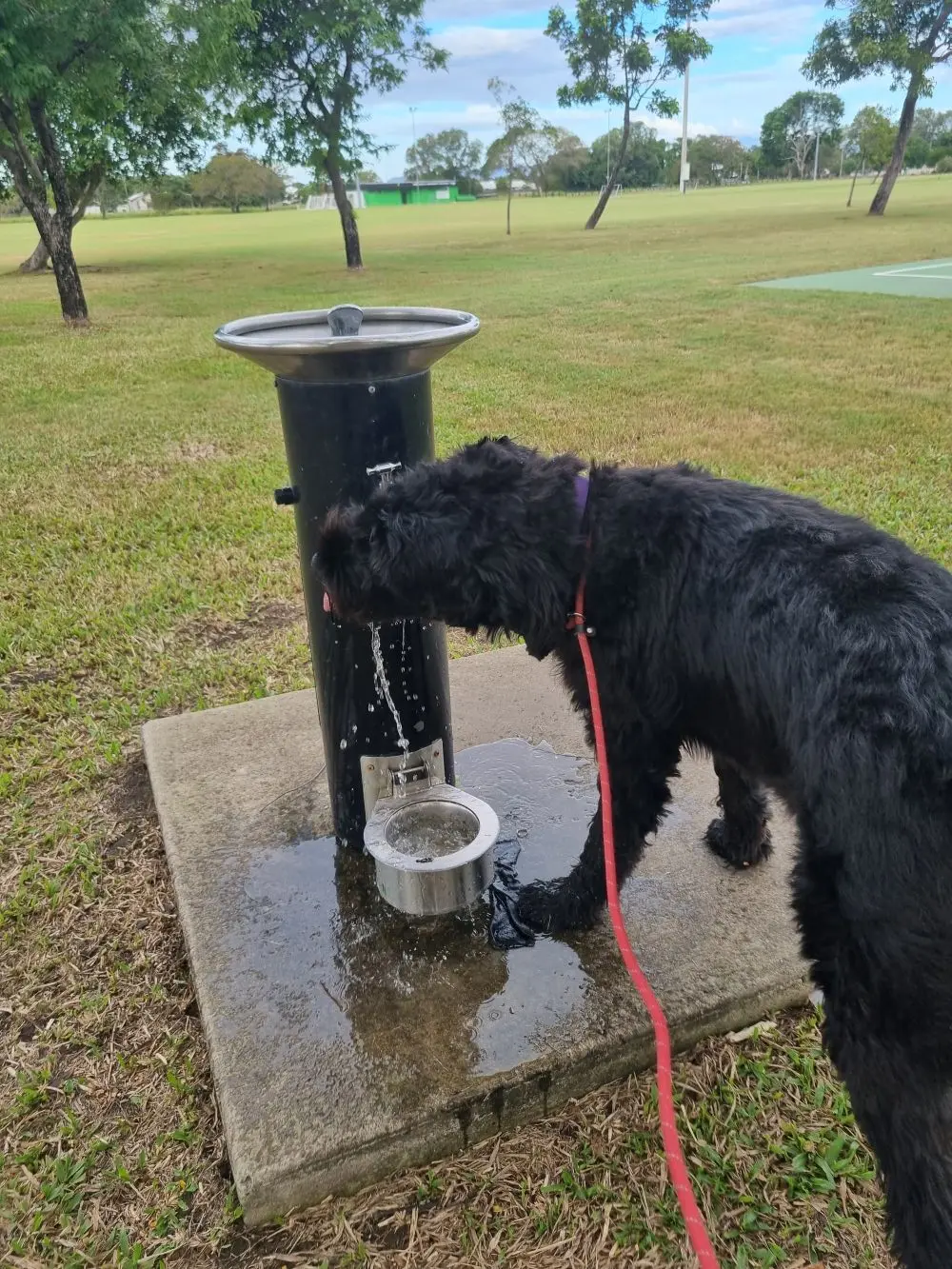
- Public water-refill points where available along The Strand and in major parks
Operating times, lifeguard supervision and maintenance closures change, so check current signage or council information. Before swimming at any beach, read the marine stinger safety guide and the Townsville beaches guide. More free options are listed in the free things to do guide.
Indoor or air-conditioned options
- Museum of Tropical Queensland, subject to current opening information
- Townsville City Council libraries
- Cinemas
- Shopping centres
- Cafés and restaurants
- A deliberate air-conditioned break at your accommodation
The Great Barrier Reef Aquarium, formerly known as Reef HQ, is closed for redevelopment and is not currently available as an indoor hot-weather attraction. See our Reef HQ status page for current context, and the rainy-day guide for more indoor ideas.
In Duncan's experience, everyday life in Townsville carries on even in very hot weather — the city feels built around coping with the heat rather than simply stopping because of it, and there's usually somewhere practical to cool off for a few hours, shopping centres included. He genuinely loves the climate despite knowing how hot it gets, which is easier to believe once you've seen how normally the city keeps functioning through a heatwave. That said, extreme conditions can still affect specific services and events on the day — check current warnings rather than assuming nothing ever closes.
Cooler regional alternatives
- The Paluma Range often feels cooler than the coast, thanks to altitude and rainforest shade
- Paluma is not guaranteed to be cool — it can still be hot, and it is frequently humid
- Road, weather and national park access must be checked before you leave
- Freshwater swimming sites need caution, especially after rain
- Little Crystal Creek access remains subject to closure — check before planning around it
- Slippery rocks, strong flows and rapidly changing conditions are real risks in creeks
Heat-Smart Versions of Major Townsville Activities
You rarely need to cancel a Townsville highlight because of heat. You usually just need a different version of it. The detailed guides remain the place for parking, access, facilities and full itineraries.
The Strand
- Visit early or late — the promenade is long and much of it is exposed
- Use the swimming and water-play options rather than only walking
- Bring hats, sunscreen and water even for a short visit
- Use the shaded sections, cafés and food stops as deliberate rest points
Castle Hill
Driving and walking are two completely different activities in hot weather.
- Driving to the lookout is manageable later in the day, including for sunset
- The walking tracks are steep, exposed and strenuous
- Avoid walking during the hottest part of the day
- Carry more water than you think you need
- Turn back early if conditions or anyone in the group feels wrong
- Do not push on simply to complete the route
Magnetic Island
- Take an early ferry so the cool part of the day is not spent travelling
- Do exposed walks first, while it is still comfortable
- Avoid overpacking the day with too many bays and stops
- Use beaches, lunch or shade during the hottest period
- Carry water — do not assume every stop has easy refill access
- Adjust, shorten or cancel the Forts Walk when heat conditions are poor
Townsville with kids
- Do water play early rather than in the middle of the day
- Offer drinks frequently and at set points
- Pack spare clothes and towels
- Build in a midday lunch and rest
- Keep late-afternoon outings shorter than you would at home
- Do not push children to finish an itinerary when they are tired or overheated
Free things to do
Most of Townsville's free activities are outdoors, so heat planning matters more here than budget planning.
- Group activities by location instead of criss-crossing the city
- Avoid repeated travel between distant areas in the heat of the day
- Use the free guide's hot-weather suggestions
- Prioritise shade, swimming and shorter outings
Heat Safety for Children
- Children can overheat more quickly than adults and may not recognise it themselves
- Offer drinks regularly rather than waiting for a child to ask
- Use hats, shade and lightweight, loose clothing
- Check playground equipment before use — metal and dark plastic get very hot
- Test sand and paving with your hand before letting children go barefoot
- Plan frequent rests in shade or air conditioning
- Watch for unusual tiredness, irritability, headache, dizziness or nausea
- Never leave a child in a parked vehicle, even briefly
Heat Safety for Older Visitors and People With Health Conditions
Heat affects everyone differently, and the risk may be higher for:
- Older visitors
- Babies and young children
- Pregnant visitors
- People with heart, kidney or respiratory conditions
- People taking certain medicines
- Visitors who are not used to tropical heat
- Anyone exercising or working outdoors
Continue prescribed medication and ask a doctor or pharmacist for advice if you are concerned about how heat may affect you. Planning shorter outings, more shade and more rest is usually enough to make a hot day comfortable.
Heat Safety for Dogs
- Walk early in the morning or in the evening
- Test paths, sand and paving with the back of your hand before walking
- Carry water and a bowl for your dog as well as yourself
- Use shaded routes and rest often
- Avoid strenuous exercise, ball games and long walks in hot or humid conditions
- Never leave a dog in a parked vehicle
- Do not assume beach sand or footpaths are safe for paws
- Remember that a swim cools a dog briefly but does not remove the risk
Hydration Without Overcomplicating It
- Carry a refillable bottle and top it up whenever you pass a refill point
- Drink regularly through the day rather than only when thirsty
- Bring extra water for walks and regional drives, not just a single small bottle
- Prompt children to drink at set points, such as each rest stop
- Limit alcohol during very hot conditions
- Do not rely only on soft drinks or coffee
- Carry more than you expect to need for Castle Hill, Pallarenda, Paluma and Magnetic Island outings
There is no single daily amount that suits every visitor — needs vary with activity, conditions and health.
Sunscreen, Clothing and Equipment
- Broad-brimmed hat
- Lightweight, breathable clothing
- Sunscreen
- Sunglasses
- Refillable water bottle
- Swimmers and spare clothes
- Cooling towel, if you find one useful
- A compact umbrella for portable shade where practical
- Insect repellent
- Footwear suited to the surface, including closed shoes for hill tracks
Electrolyte drinks are an optional consideration during prolonged activity or heavy sweating. They are not a medical treatment and do not replace water or medical advice.
When to Change or Cancel Plans
Changing the plan is a normal part of travelling in the tropics, not a failure. Reconsider when:
- A severe or extreme heatwave warning is active
- An exposed walk would fall in the hottest part of the day
- Humidity is making conditions feel considerably worse than the forecast
- Children, older visitors or anyone in the group is already tired
- You do not have enough water for the activity
- There is little shade and no realistic point to turn back or exit
- Someone develops early heat-illness symptoms
- Park, road, weather or attraction alerts advise against travel
- Conditions have simply changed from what you planned for
Check current official sources before heading out:
- Bureau of Meteorology — Townsville forecast and warnings
- Bureau of Meteorology — heatwave service
- Queensland Government — heatwave health guidance
- Townsville Disaster Dashboard
- Queensland Parks and Wildlife Service — park alerts
- QLDTraffic — road conditions
Local phone numbers and services are listed on our useful contacts page.
Heat Exhaustion and Heatstroke
This is general information only, based on Queensland Health guidance. It does not replace medical advice.
Early heat-related symptoms
- Heavy sweating
- Thirst
- Headache
- Dizziness
- Nausea
- Muscle cramps
- Weakness
- Irritability
Possible heat exhaustion
- Worsening weakness
- Pale or clammy skin
- Profuse sweating
- Faintness
- Rapid breathing
- Nausea or vomiting
What to do
- Stop the activity
- Move to a cooler, shaded or air-conditioned place
- Remove unnecessary clothing
- Cool the body, for example with water on the skin and airflow
- Offer small sips of water if the person is conscious and able to drink
- Seek medical advice if symptoms do not improve or are concerning
Possible heatstroke — a medical emergency
Warning signs may include:
- Confusion
- Poor coordination
- Slurred speech
- Very hot skin
- Fainting
- Vomiting
- Seizures
- Loss of consciousness
Call Triple Zero (000) immediately for suspected heatstroke.
For non-emergency health advice in Queensland, call 13 HEALTH on 13 43 25 84. Do not delay emergency help while waiting to see if someone improves.
Hot-Weather Itineraries
One-day hot-weather itinerary
- Early morning: a Strand walk, the Castle Hill lookout or another short outdoor activity, then breakfast
- Late morning: the Strand Water Park, Riverway Lagoons, the Rockpool or a designated swimming area where suitable
- Midday: lunch, a rest at your accommodation, or a museum, library, cinema or shopping centre
- Late afternoon: Jezzine Barracks, Rowes Bay, or the Castle Hill lookout by car
- Evening: a waterfront dinner and a sunset walk
Hot day with children
- Early playground time or the Strand Water Park
- A swim while it is still comfortable
- Lunch and a proper rest at your accommodation
- One short late-afternoon outing only
- Avoid a full day of exposed outdoor activity
Hot day without a car
- Stay within The Strand, North Ward, Jezzine and CBD cluster
- Avoid long exposed transfers on foot
- Use buses, taxis or rideshare for anything further out
- Build in an indoor or shaded midday break rather than pushing through
Active morning before the heat
- Start a Castle Hill walk or Strand exercise session early
- Breakfast afterwards
- A swim or cool-down
- Finish anything strenuous before the hottest part of the day
Cooler regional day
- Check Paluma weather, road and park access before leaving
- Leave early
- Do not assume mountain conditions are automatically cool or safe
- Carry water and food, as services are limited
- Turn back or change plans if weather or access changes
Without a car? See Townsville without a car. Heading up the range? Check the Paluma day trip guide and Little Crystal Creek closure information first. More everyday shortcuts are in our local tips.
Common Heat Mistakes
- Starting Castle Hill too late in the morning
- Underestimating humidity because the temperature looks moderate
- Carrying only one small bottle of water
- Wearing heavy or unsuitable clothing
- Walking barefoot on hot sand or paving
- Assuming cloud cover removes the heat and UV risk
- Planning children outdoors all day with no rest
- Drinking heavily the night before, or during, an exposed activity
- Leaving drinking water in the car instead of carrying it
- Continuing simply because the itinerary says the activity should be finished
- Assuming Paluma or Magnetic Island will automatically be cooler
- Ignoring early symptoms because the day has already been planned
Duncan's Local Pro-Tip
"Don't forget the hot-car rule. On a 35-degree day the inside of a parked car becomes dangerously hot within minutes. Plan around the afternoon heat soak, and if you do have to go out, start the car and air conditioning a few minutes before the kids or the dog get in — and never leave anyone in the vehicle."
Duncan's Own Hot-Weather Routine
"Early in the day I'm more likely to go for a jog while it's cooler, and later in the afternoon — especially around sunset when the UV is lower — I usually walk the dog instead. In January it can get extremely hot, so I wouldn't plan to be outdoors sightseeing all day. I'd use the hottest part of the day for somewhere indoors like a museum, and save outdoor things for earlier or later. That's just how I personally structure a hot day, not a rule everyone needs to follow."
Frequently Asked Questions
What is the best time of day to explore Townsville in hot weather?
Early morning and late afternoon. Most locals do outdoor activity before about 9am, spend the middle of the day near water, indoors or resting, then head back outside from mid-afternoon onwards.
Is Townsville too hot for sightseeing?
No. Townsville is very manageable when the day is structured around the heat. The problem is rarely the destination itself and almost always the timing — an exposed walk at midday is hard work, while the same walk at 6.30am is pleasant.
Where can you cool down for free in Townsville?
Riverway Lagoons, the Strand Water Park and the Rockpool when open are the main free options, along with designated beach swimming where conditions and signage allow, shaded gardens and air-conditioned public libraries.
Is Castle Hill safe to walk in hot weather?
The tracks are exposed, steep and reflect heat, so they are best walked early in the morning or late in the day. Carry more water than you think you need, and turn back early if anyone in the group feels unwell — driving to the lookout is a reasonable alternative.
What should families do during the hottest part of the day?
Swim, eat and rest. Water play in the morning, lunch, then an air-conditioned break at your accommodation or a library, museum or cinema works far better than trying to keep children outdoors all day.
Does humidity make Townsville feel hotter?
Yes. High humidity slows the evaporation of sweat, so your body cools less effectively. A humid day in the high 20s or low 30s can feel harder than a hotter, drier day, especially during exercise.
What are the early signs of heat exhaustion?
Heavy sweating, thirst, headache, dizziness, nausea, muscle cramps, weakness and irritability are common early signs. Stop the activity, move somewhere cooler, cool the body and sip water, and seek medical advice if symptoms do not improve.
When should you call 000 for heat illness?
Call Triple Zero (000) immediately if you suspect heatstroke — signs may include confusion, poor coordination, slurred speech, very hot skin, fainting, vomiting, seizures or loss of consciousness. Heatstroke is a medical emergency. For non-emergency health advice in Queensland, call 13 HEALTH on 13 43 25 84.
How much water should you carry on a walk?
There is no single figure that suits everyone, but one small bottle is rarely enough for an exposed walk here. Carry noticeably more than you would at home for Castle Hill, Pallarenda, Paluma and Magnetic Island, and top up wherever refill points exist.
Is Magnetic Island cooler than Townsville?
Not reliably. Sea breezes can help along the coast, but the island's walking tracks are exposed and often feel just as hot. Take an early ferry and do exposed walks such as the Forts Walk in the morning.
Is Paluma always cooler than Townsville?
No. The Paluma Range often feels cooler than the coast, but that is not guaranteed, and it can still be hot and humid. Road, weather and park access all need checking before you drive up.
Can dogs safely walk in Townsville summer heat?
Only with care. Walk early or late, test the ground temperature with your hand, carry water, keep outings short and never leave a dog in a parked vehicle. A swim cools a dog briefly but does not remove the risk.
Do attractions and shops still operate in very hot weather?
Yes, generally — normal daily heat does not shut Townsville down. Shops, cafés, shopping centres and most attractions run as usual through summer; the practical adjustment is to your own schedule rather than to what's open. The exception is genuinely severe weather (a heatwave warning, cyclone or storm event), when specific services or events can be affected — check current warnings rather than assuming everything is unaffected on those days.
What should I pack for Townsville in summer?
A broad-brimmed hat, lightweight breathable clothing, sunscreen, sunglasses, a refillable water bottle and swimmers are the essentials. Add insect repellent and footwear suited to hill tracks if you're walking Castle Hill, and a light rain layer during the wet season. See the full kit list above for the complete version.
Keep Planning Your Townsville Trip
About this guide
Written by Duncan Ross
Duncan has lived in Townsville since 2023 and writes Townsville Guide using local knowledge and carefully checked information.
This guide combines firsthand experience of Townsville's tropical heat with current advice from Queensland Health, the Bureau of Meteorology, Townsville City Council and official emergency-information services.
Last checked: 6 August 2026
Access, safety, opening hours, rules or transport information was checked against relevant official sources where available.
Spotted an error or something that has changed?
Please let us know so we can check and update the guide.
Report an update